
Notes
[1] Paul K. Conkin, Peabody College, 103.
[2] Ibid., 104.
[3] Ibid.
Notes
[1] Paul K. Conkin, Peabody College, 103.
[2] Ibid., 104.
[3] Ibid.
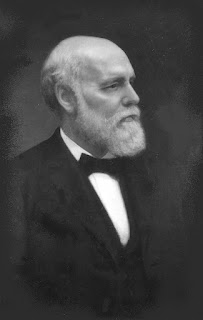
In 1883, several new graduates of the college appeared before the Tennessee State Board of Education. In a petition with seventeen separate complaints they criticized their alma mater, especially the leadership of Stearns. Many of the items on the petition echoed the grumblings of some of the school's professors: some of the faculty were insufficiently-trained; alumni and faculty were denied power to influence the direction of the school; and textbooks were too few and of poor quality. For his part, President Stearns refused to respond. He was able to remain quiet mainly because he had the confidence of the state board as well as the trustees of the Peabody Fund. And, many of the current students expressed their support for the administration. The crisis came and went. But this was partly because, until his presidency ended with his death in 1887, Stearns effectively addressed almost every point in the petition and increased the pace of needed change.[2] Consequently, when Chestnutt began her studies in Nashville, the State Normal College was better than it had ever been before.
Notes
[1] Paul K. Conkin, Peabody College: From a Frontier Academy to the Frontiers of Teaching and Learning (Nashville, TN: Vanderbilt University Press, 2002), 122-25; Franklin Parker and Betty J. Parker, "Peabody Education Fund in Tennessee," in Tennessee Encyclopedia of History & Culture, ed. Carroll Van West (Nashville: Tennessee Historical Society, 1998), 725-26.
[2] Conkin, Peabody College, 125-128.

Another outstanding teacher at Peabody was Julia Sears. She grew up on Cape Cod and began her teaching career in Boston, specializing in science and mathematics. She was the first person in the University of Nashville system to serve for thirty years. At some point, she became the faculty member with the longest tenure, which meant that her name appeared first in the school's catalog. Besides the president, no one at Peabody was paid a higher salary. In 1907, she retired from Peabody at the end of thirty-two years and became "the first teacher in the South to receive a pension from the Carnegie Foundation."[2]
However, like all the other long-term female members of the faculty in Nashville, neither of these women ever married or had children. Of course, this meant they had plenty of opportunities to pursue knowledge and perfect their teaching skills. Clearly though, they never sensed the freedom to fill the roles that most women of the time were expected and wanted to fill. Young "Miss Meta," as she would come to be called, was watching.
Notes
[1] "School Leader's Funeral Friday," Nashville Tennessean, June 3, 1927, 8; Paul K. Conkin, Peabody College: From a Frontier Academy to the Frontiers of Teaching and Learning (Nashville, TN: Vanderbilt University Press, 2002), 118.
[2] "Peabody Teacher for 32 Years, Dies. Miss Julia Sears Buried in Massachusetts," Nashville Tennessean, September 26, 1929, 22; Conkin, Peabody College, 119, 136-37.


